Research
I want to understand how regulatory DNA determines where transcription starts and how much of it occurs, and how development and the environment change those decisions. Most of my work is in plants, and I build the assays, models and software needed to measure this: genome-wide profiling of transcription initiation and chromatin, genetics, and sequence-to-function models.
Transcription initiation and enhancers
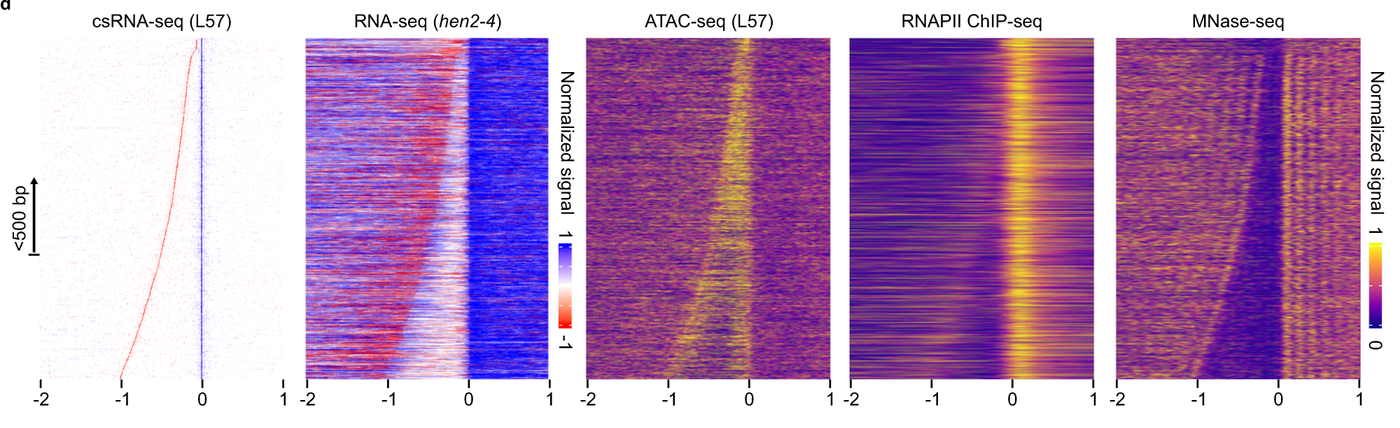
Much of what a promoter does is visible only at the level of transcription start sites. Using csRNA-seq, which captures nascent initiation events directly, I mapped transcription initiation across the Arabidopsis seed-to-seedling transition and validated divergent transcription genetically. From non-coding transcription I identified about 1,900 putative enhancers active during germination, and reporter assays confirmed that transcribed regions of this kind can act as enhancers, showing that at least some Arabidopsis enhancers produce enhancer RNAs, as in animals (Nature Communications, 2024).
csRNA-seq detects the active enhancers that are transcribed, so it complements chromatin accessibility rather than replacing it, and I now use the two together to identify Arabidopsis enhancers during development and link them to the genes they control. With collaborators I am also profiling transcription initiation in the algal and fungal partners of lichens, building on our work on transposable element diversification in lichen symbionts (bioRxiv, 2026).
Transcription in a changing environment
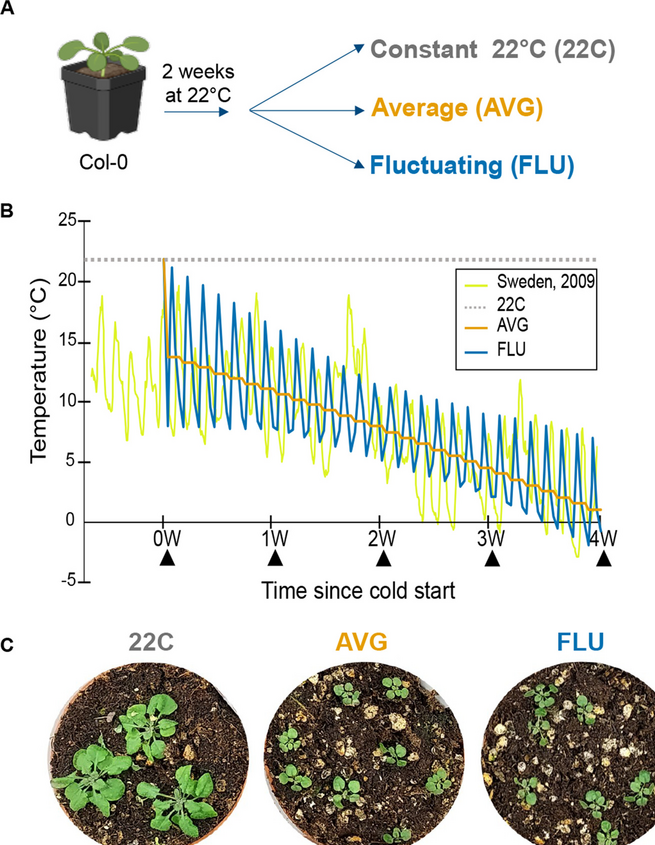
Development is one driver of transcriptional change and the environment is another, acting over timescales from weeks to minutes. As co-first author I led the bioinformatics for a multi-laboratory study that followed Arabidopsis through weeks of gradually falling temperatures mimicking autumn and early winter, including daily fluctuations. We found two distinct transcriptional programmes, one responding to moderate cooling and one to temperatures below 10 °C, showed that the clock gene CCA1 is essential for both, and found that cold-induced genes gain promoter accessibility while repressed genes keep theirs, so that transcription can resume quickly when it warms again (Genome Biology, 2026).
Plant immunity
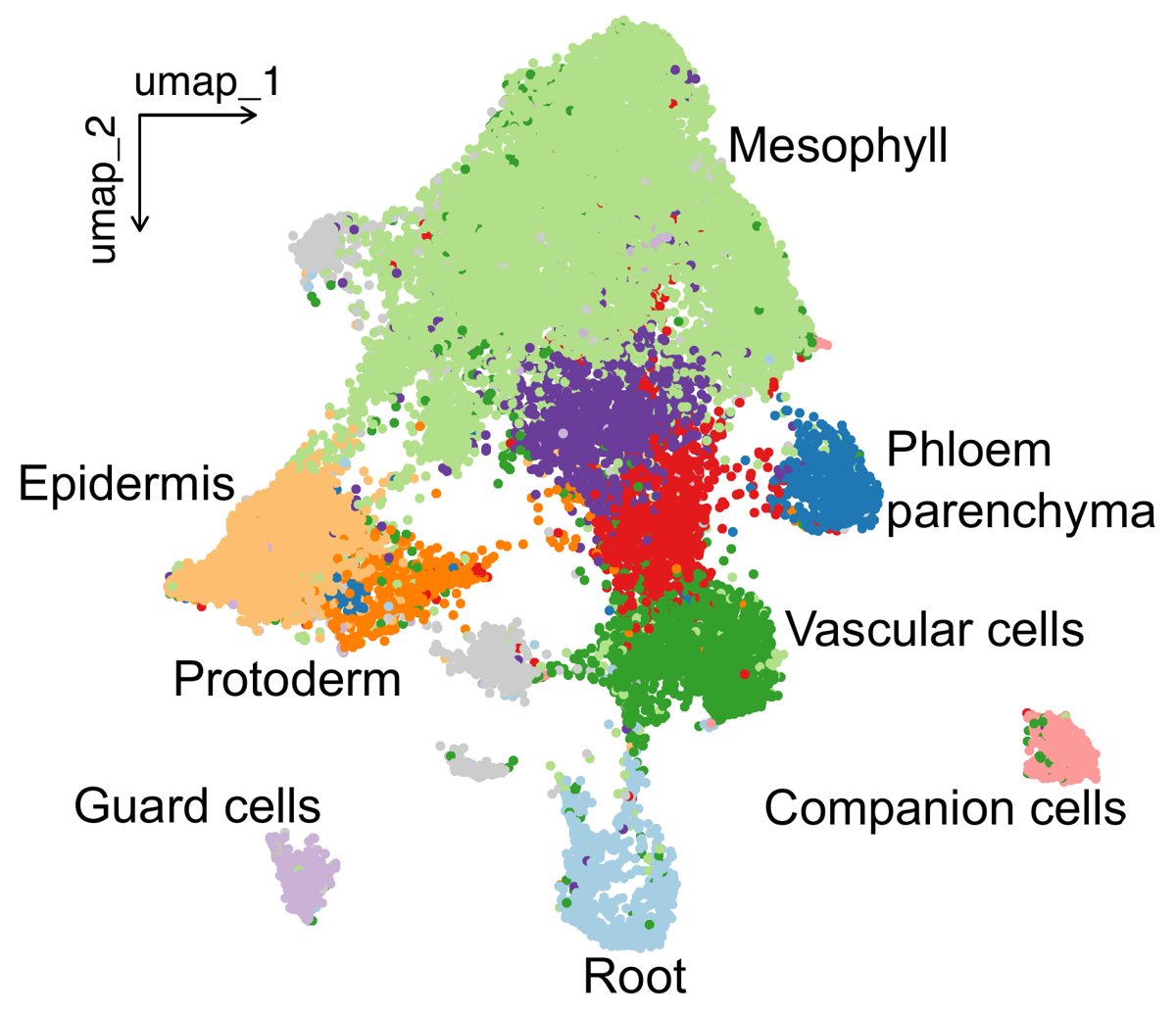
Immune responses are the fast end of that range. At The Sainsbury Laboratory I study how plant cells switch them on, combining a csRNA-seq time course with single-nucleus RNA and ATAC multiomics of Arabidopsis seedlings treated with flg22, a bacterial elicitor of pattern-triggered immunity. The aim is to map the enhancers that immunity activates, connect them to their target genes and resolve how each cell type responds. So far the early response and the later cell type-specific responses share a common signature of WRKY-family motif activity (posters from 2025 and 2026).
Models of regulatory sequence
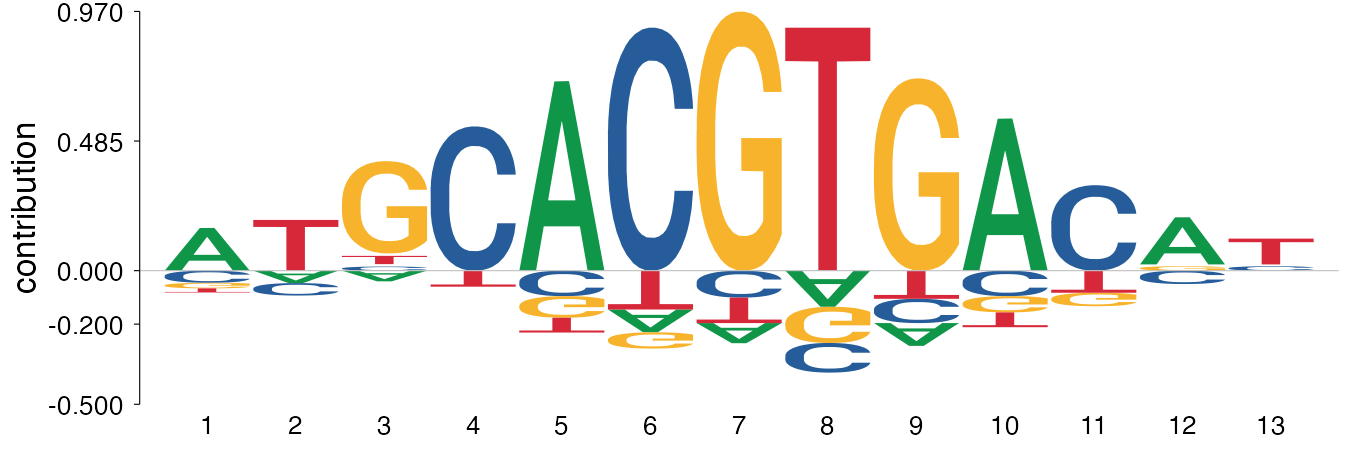
I train and interpret deep sequence-to-function models of chromatin accessibility and transcription initiation, and use them to ask which sequence features explain regulatory activity. At The Sainsbury Laboratory I have trained models from scratch and fine-tuned ChromBPNet and seq2PRINT on single-cell ATAC-seq data from flg22-treated Arabidopsis seedlings, evaluating their accuracy and biases and interpreting their predictions with attribution and feature ablation. This builds on my long-running work on sequence motifs and the universalmotif package.
Earlier work
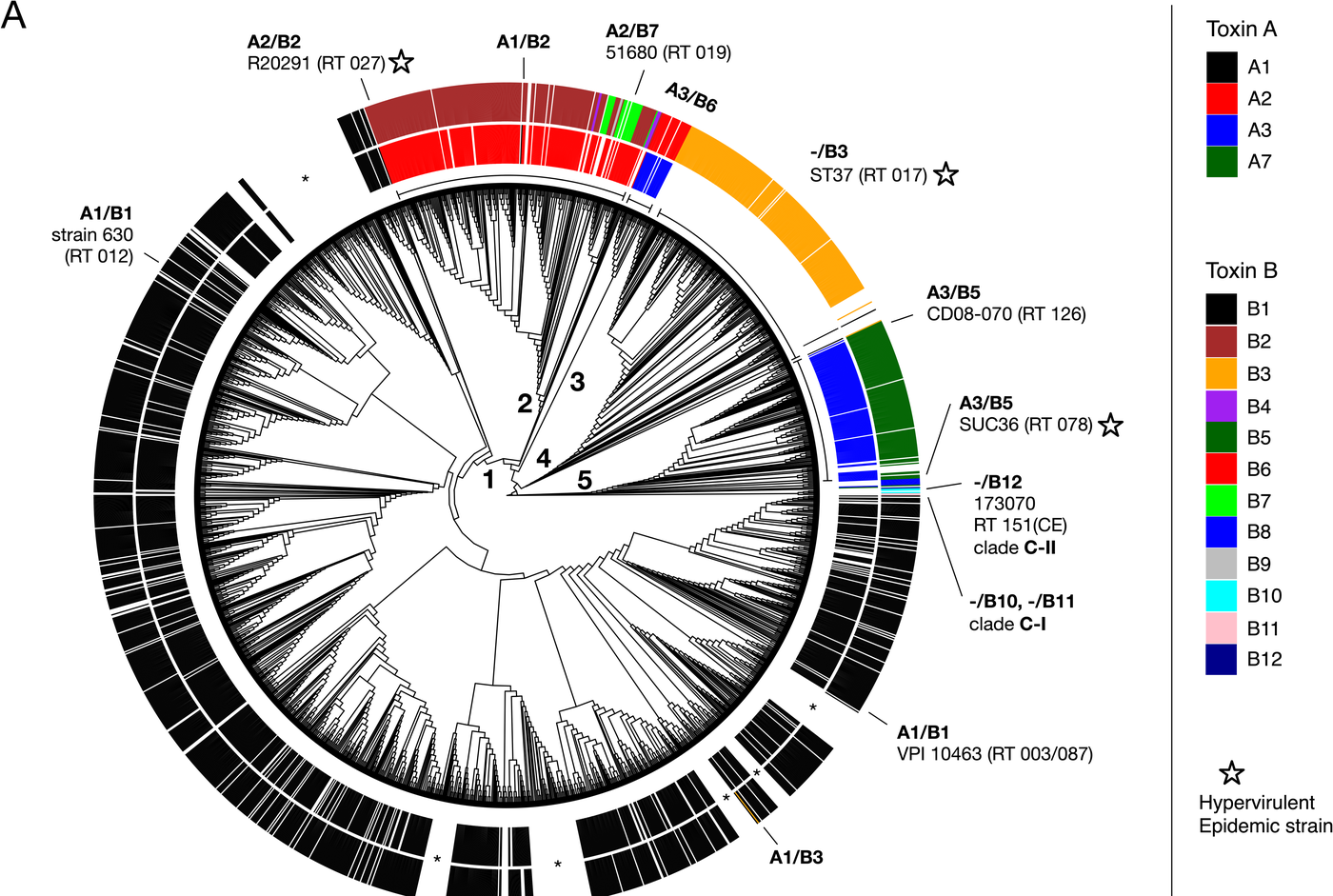
For my MSc I studied what happens when plants cannot efficiently recycle methylthioadenosine (MTA): it builds up in reproductive tissues, disrupts sulfur assimilation and lowers fertility (Journal of Experimental Botany, 2026). Between my MSc and PhD I worked as a bioinformatics research assistant at the University of Waterloo on the comparative genomics of bacterial pathogens, including the phylogenomics of 8,839 Clostridioides difficile genomes (PLOS Pathogens, 2020), phylogenetic profiling of bacterial gene function (Bioinformatics, 2021), and studies of C. difficile toxin B receptors (Nature Communications, 2022) and ancient tetanus neurotoxins (Nature Communications, 2023). During the COVID-19 pandemic I worked with clinicians and virologists on SARS-CoV-2, predicting its recombination potential (Journal of General Virology, 2020) and profiling viral receptors and interferon responses in human airway epithelium (European Respiratory Journal, 2020; iScience, 2021).